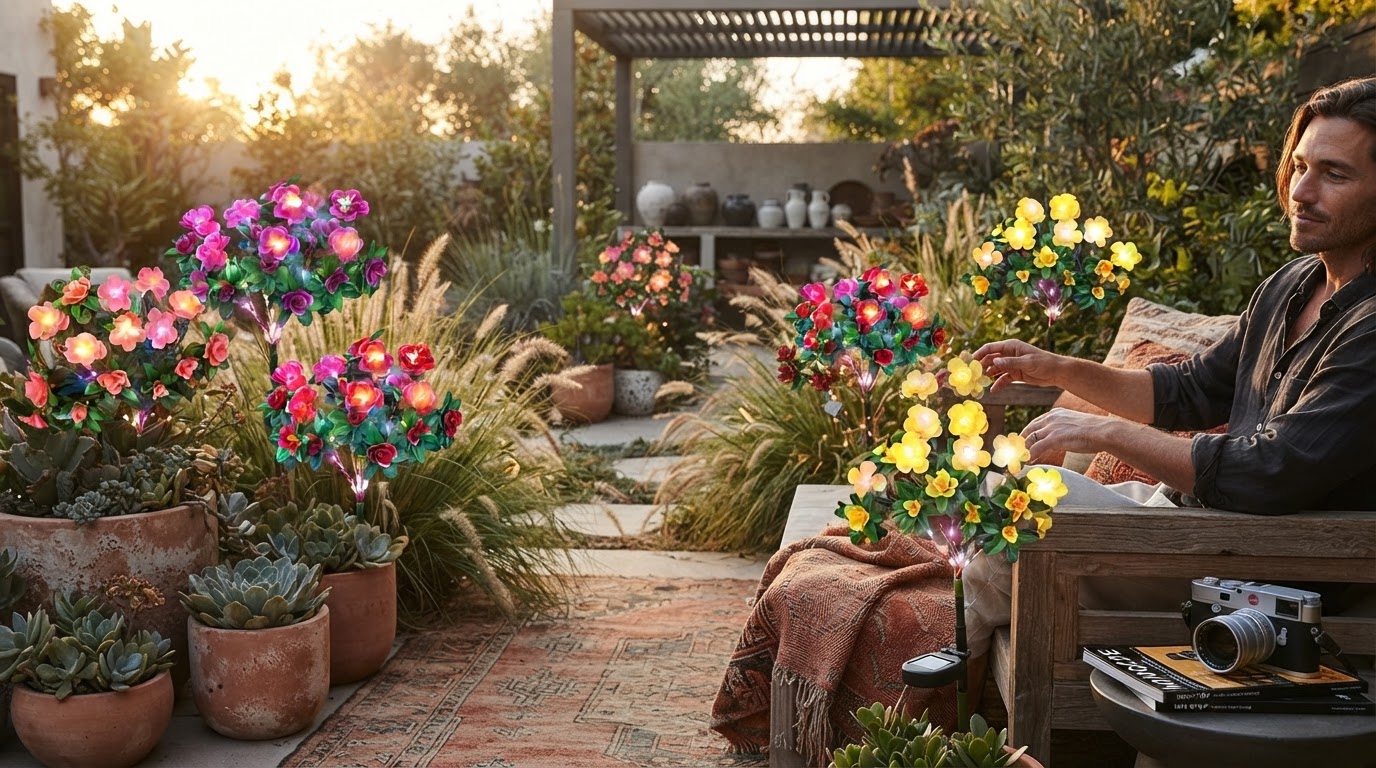
Solar Azalea Lights: Summer Decor Trends
 Maya ChenContributing Editor
August 1, 2026 — The summer 2026 garden decor market is currently dominated by a push for high-concept aesthetics and emotional connection in outdoor spaces. Solar Azalea Lights enter this landscape at a time when consumers are increasingly moving away from basic utility toward highly stylized, identity-driven garden environments.
The conventional wisdom says that more is better when it comes to garden ornamentation, but the data suggests a pivot toward specific, textured aesthetics. According to Elle Decor, the defining trend for summer 2026 is the 'layered quality' of interiors being applied to outdoor terraces and patios. This shift places products like the Solar Azalea Lights in a difficult position; while they offer 21 realistic simulation flowers and 42 LEDs, they must compete with a market that increasingly demands outdoor furniture and lighting chic enough to live indoors.
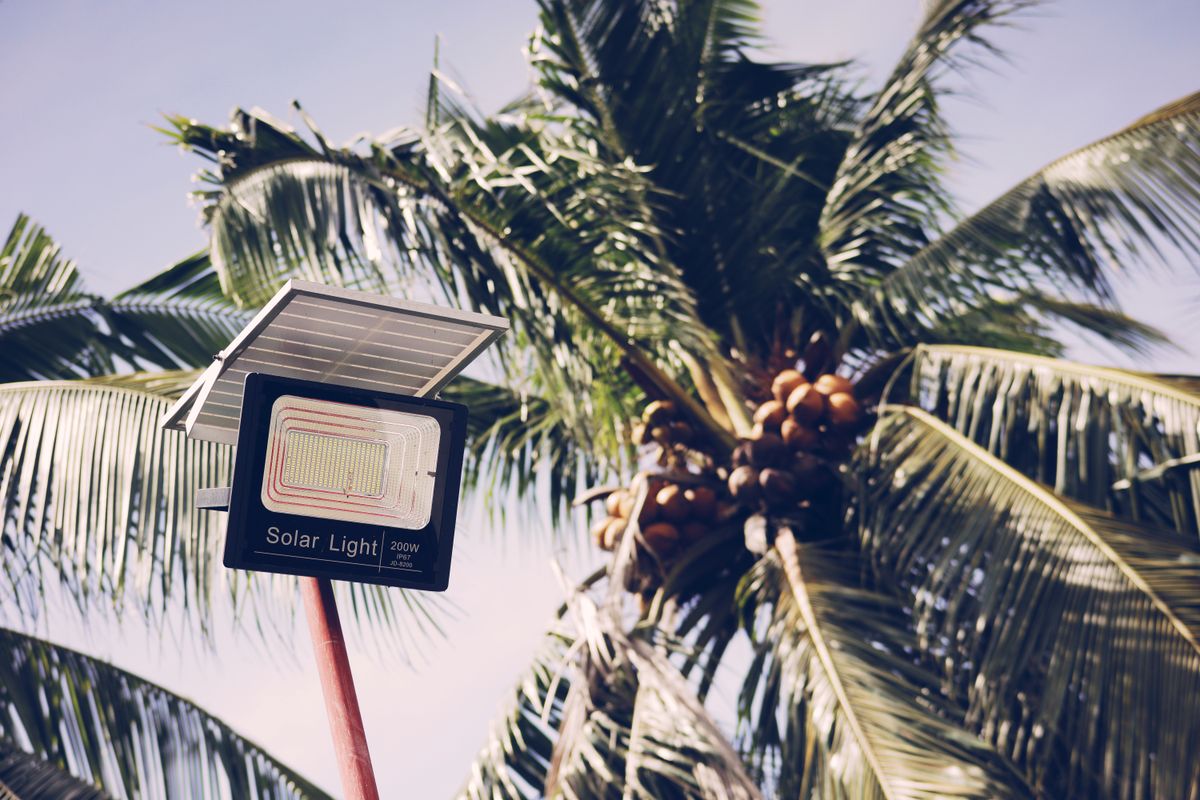
Photo by Nothing Ahead on Pexels
Run the math: with an IP65 waterproof rating, these units are technically sound for year-round exposure, yet the industry is moving toward what Xotic Brands identifies as 'gothic accents' and 'classical sculptures.' The Solar Azalea Lights provide a colorful glow that contrasts with the more somber, structured trends currently gaining traction. Here's the part nobody talks about: the push for 'eco-conscious planters' and 'textured' materials, as reported by Plantatorem, means that plastic simulations are under higher scrutiny than ever before. For a garden to feel 'layered,' lighting must do more than just illuminate; it must integrate into a broader design language that includes vertical planters and water features.
Expert tip: To align these lights with current trends, avoid cluster planting. Instead, use the 42 bright LEDs as accent points behind textured stone planters or near classical sculptures to create the 'emotional connection' cited by gardening experts as a key 2026 driver.
I'll change my mind when longitudinal sales data shows that simulation-style lighting can maintain its value against the rising demand for 'identity-driven' gardens that prioritize natural materials over synthetic replicas.