Solar Azalea Lights and the Efficiency of Outdoor Power
 Maya ChenContributing Editor
August 8, 2026 — The transition to solar-powered outdoor lighting is frequently framed as a seamless technological revolution, yet the hardware often struggles to match the reliability of wired systems. While Solar Azalea Lights and similar LED-based simulation products offer an entry point into decentralized garden illumination, the actual utility of these units depends entirely on the conversion efficiency of their integrated photovoltaic cells.
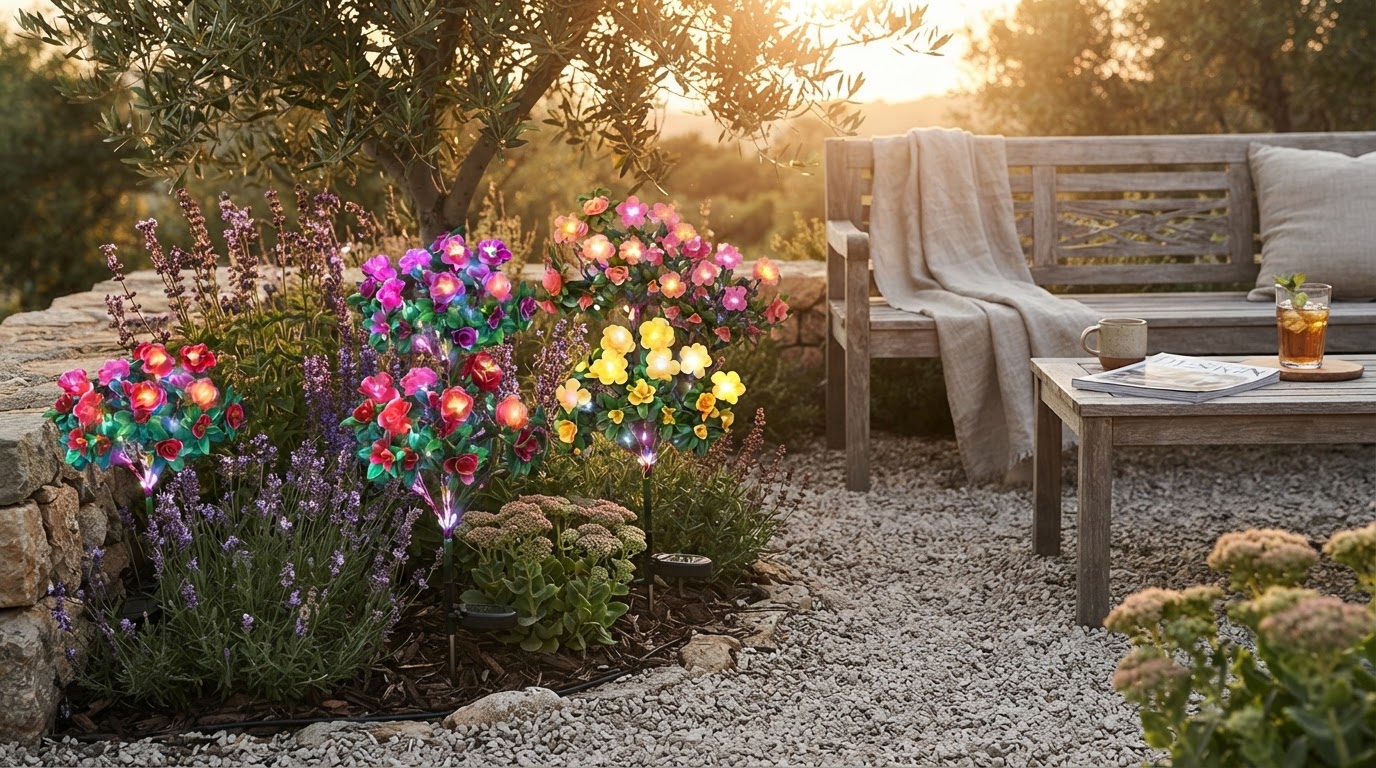
The conventional wisdom says that solar power has already replaced the need for traditional electrical grids in residential landscaping. According to Falcon Group, these systems are marketed primarily as cost-effective solutions that minimize electricity expenses through sustainable home lighting. However, this narrative ignores the inherent variability of solar gain. Run the math: a unit like the Solar Azalea Light features 42 bright LEDs and 21 simulation flowers, but its performance is tethered to an IP65 waterproof casing that must protect the internal circuitry from moisture degradation over a 365-day cycle. While PacLights reports that solar technology has revolutionized outdoor illumination by providing an environmentally friendly alternative, the actual output is often a fraction of low-voltage wired alternatives.
Photo by Constantine Kim on Pexels
Here’s the part nobody talks about: the trade-off between aesthetic simulation and light density. When evaluating /blog/realistic-solar-flower-stakes-authenticity, users must reconcile the visual appeal of the 21 azalea blooms with the energy requirements of the 42 LEDs. Maintaining these units requires more than just placement; following a /blog/realistic-solar-azalea-lights-maintenance schedule is necessary to prevent debris from obscuring the solar panel. Furthermore, the /blog/solar-azalea-lights-shrub-illumination-framework suggests that placement in high-foliage areas—where azaleas naturally thrive—often creates a paradox where the lights are shaded from the very sun they require for power. This conflict is a recurring theme in /blog/solar-azalea-lights-decor-trends-analysis, where style frequently outpaces functional energy storage.
Expert tip: To maximize the lifespan of the IP65-rated internal battery, ensure the solar panel is angled at a 90-degree intercept to the midday sun and cleaned bi-weekly with a dry microfiber cloth to prevent mineral buildup from irrigation systems.
I’ll change my mind when average conversion rates for small-scale consumer photovoltaics exceed 25% and provide consistent 12-hour illumination cycles during winter solstice conditions. Until then, these remain decorative supplements rather than infrastructure.