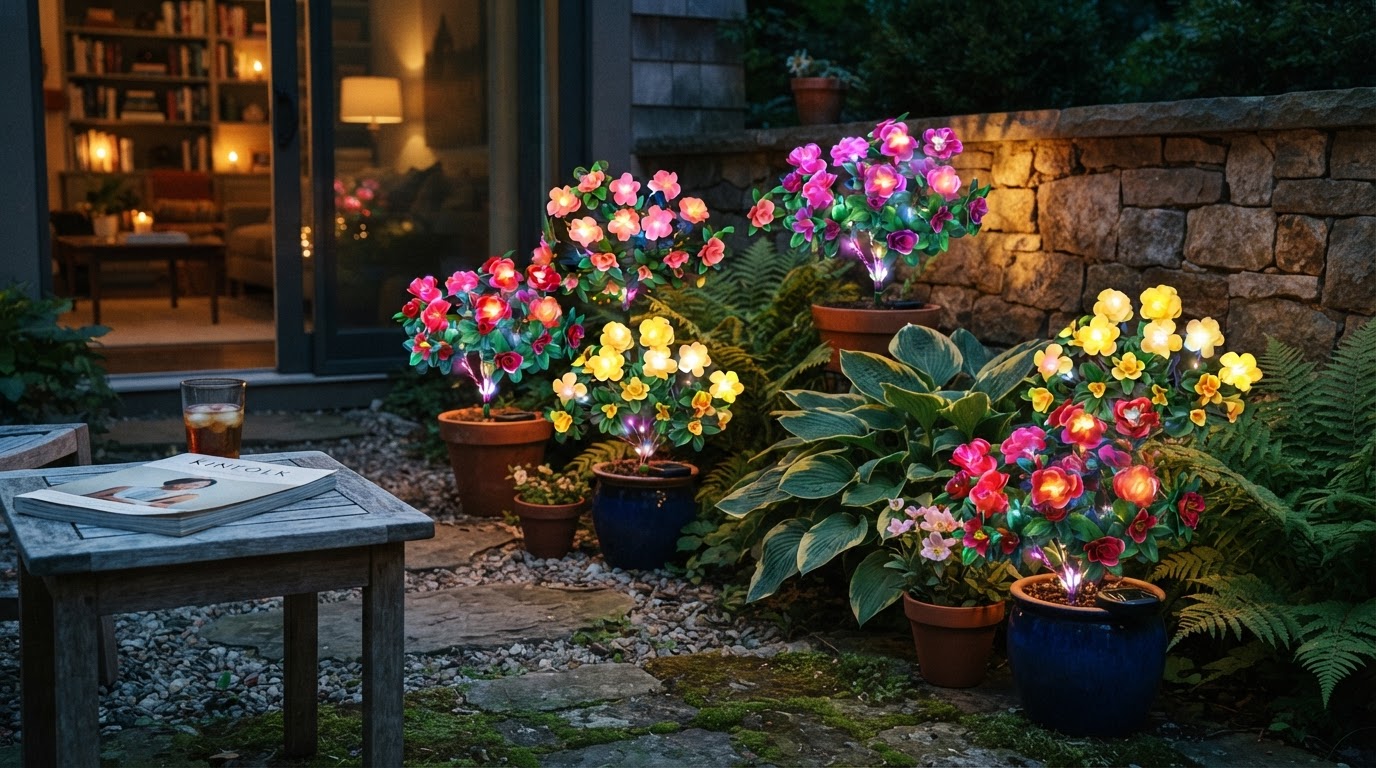
How does solar powered azalea yard art function at night?
 Sam VasquezBuying Guide Lead
September 13, 2026 — Solar powered azalea yard art utilizes integrated photovoltaic cells to charge internal Ni-MH or Lithium-ion batteries during daylight hours, enabling automatic LED illumination for six to eight hours once ambient light levels drop.
Homeowners seeking year-round color often turn to these fixtures to maintain visual interest in the garden after the natural blooming season ends. Understanding the conversion efficiency of the small-scale panels used in these decorative pieces is essential for managing expectations regarding brightness and duration during winter months.
Can solar powered azalea yard art provide reliable security lighting?
No, solar azalea yard art is designed for ambient decoration rather than high-intensity security or path illumination. These fixtures typically output between 5 and 15 lumens, which is sufficient to highlight the silk or plastic petals of the artificial flower but lacks the throw required to light a driveway or deter intruders. In my experience, the placement of the solar panel—which is often attached to the stake—must receive at least six hours of direct sunlight to reach a full charge. If you place these under a dense tree canopy or a porch overhang, the internal sensor may trigger the light too early or not at all.
Between these two, I’d go with a dedicated floodlight for safety and use Solar Azalea Lights strictly for aesthetic layering. I have noticed that many users fail to wipe the dust off the small panels; a thin layer of grime can reduce charging efficiency by up to 30 percent, according to basic photovoltaic maintenance principles. Skip this if you are looking for a primary light source to navigate dark walkways, as these are meant to be accent pieces that mimic the soft glow of a twilight garden.
How does weather impact the longevity of solar floral stakes?
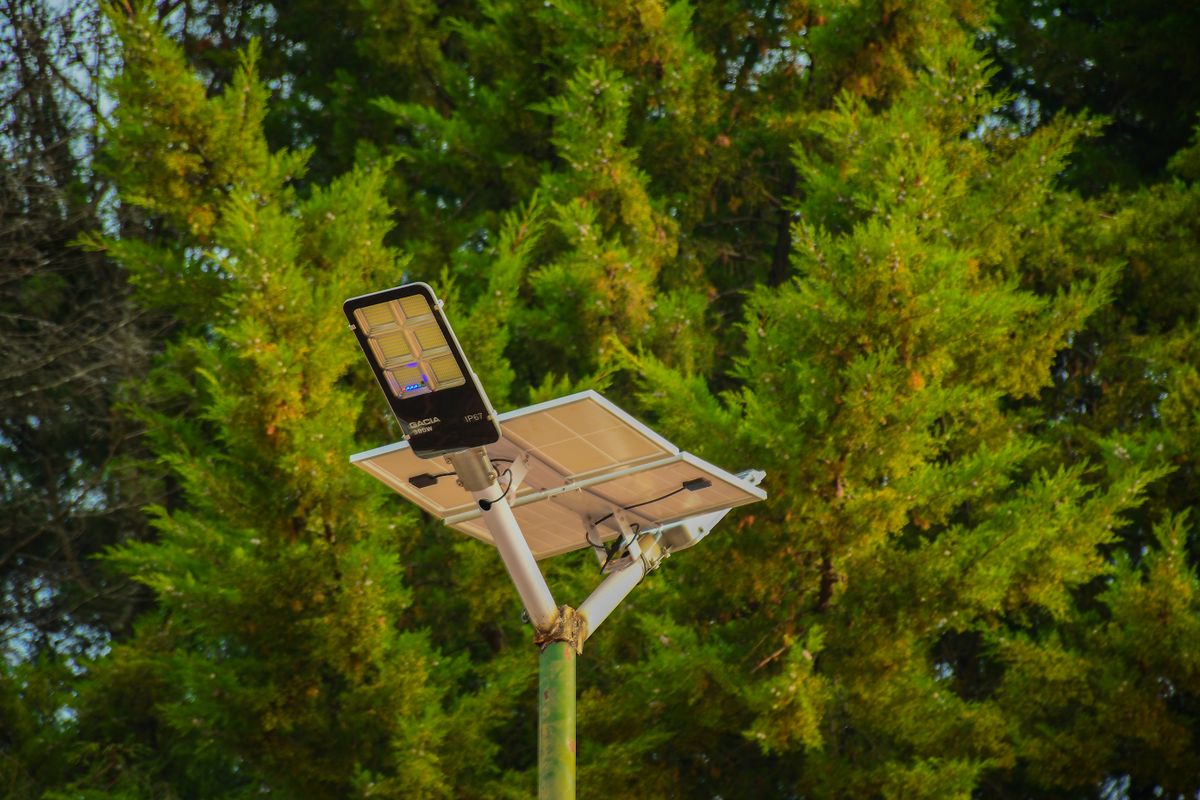
Photo by finix photographer on Pexels
Weather resistance in solar floral stakes depends primarily on the Ingress Protection (IP) rating, with most quality units featuring an IP65 rating to withstand rain and snow. While the internal electronics are sealed, the decorative "petals" of the azalea are often made of UV-treated fabric or polymer which can fade over several seasons of intense sun exposure. The battery is the most common point of failure; standard Ni-MH batteries used in solar yard art generally last for 500 to 800 charge cycles before their capacity begins to significantly degrade.
If you're on a budget, you might be tempted by the cheapest options at big-box retailers, but those often use thin plastic stakes that snap in high winds. I prefer the reinforced stainless steel stakes found in the solar azalea bush lights setup guide, as they hold up much better in clay-heavy soil. During extreme winter freezes, it is often advisable to bring the units indoors to prevent the casing from cracking, though most modern Solar Azalea Lights are engineered to handle standard temperate fluctuations. For those maintaining a memorial garden design, choosing weather-hardy components is the only way to ensure the tribute remains lit through the autumn months.
Quick answers
Photo by Gorma Kuma on Pexels
Q: How long do the LEDs in solar azalea lights typically last? A: The internal LEDs are rated for approximately 20,000 to 50,000 hours of use, which translates to several years of nightly operation. However, the fabric petals of the Solar Azalea Lights brand will likely show cosmetic wear before the bulb itself fails.
Q: Do these lights work during cloudy or rainy days? A: They will still charge, but at a much lower rate; a fully overcast day might only provide enough energy for 1 or 2 hours of light at night. For consistent performance, the panel needs an unobstructed view of the sky.
Q: Can I replace the battery in my solar azalea yard art? A: Most units use a standard AA or AAA rechargeable Ni-MH battery that can be accessed by removing a few screws on the underside of the solar module. Replacing these every 18 months helps maintain the original 8-hour run time.
Learn more about Solar Azalea Lights at https://solyraazalealights.com.