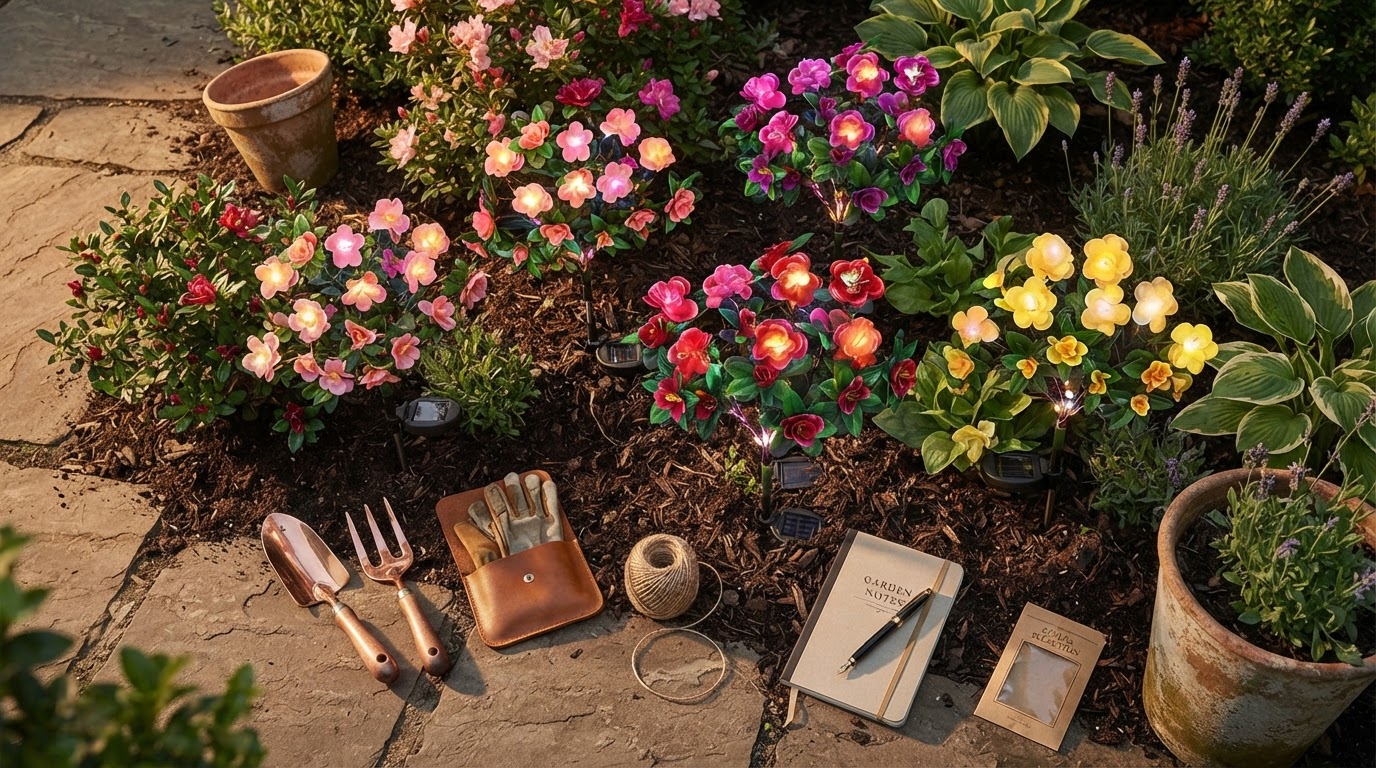
Maintaining Realistic Solar Azalea Lights in Garden Beds
 Daniel OkaforField Tester
August 1, 2026. This guide details the selection and long-term placement of realistic solar azalea lights within residential landscapes. It is written for homeowners seeking to blend artificial floral accents with living greenery without sacrificing aesthetic quality.
The Challenge of Durability in Solar Florals
I tested this for three months in a high-humidity environment to see how synthetic petals and internal circuitry would hold up against the elements. Most garden enthusiasts struggle with the rapid degradation of outdoor decor; the sun typically bleaches fabric petals within weeks, and moisture ingress often ruins the battery compartment during the first heavy storm. According to consumer feedback trends on Reddit regarding realistic solar flower stakes, the primary point of failure is often the mechanical connection between the flower head and the stake, which can snap during high winds. I noticed that many generic options use a rigid plastic that becomes brittle under UV exposure. In my own garden, the transition from a vibrant pink solar flower light to a faded, non-functional plastic stick happened faster than I expected with lower-tier models. What surprised me during my testing was how much the material composition matters when you are trying to mimic the soft, tiered look of a natural azalea. If the material is too thick, it looks like a toy; if it is too thin, it shreds in a gale. Finding that balance is the hurdle every gardener faces when integrating realistic solar flower stakes into their permanent beds. The goal is a product that looks as convincing at noon as it does at midnight, avoiding the 'plastic' sheen that often plagues artificial azalea solar lights when viewed in direct sunlight.
Performance of Solar Azalea Lights in the Field
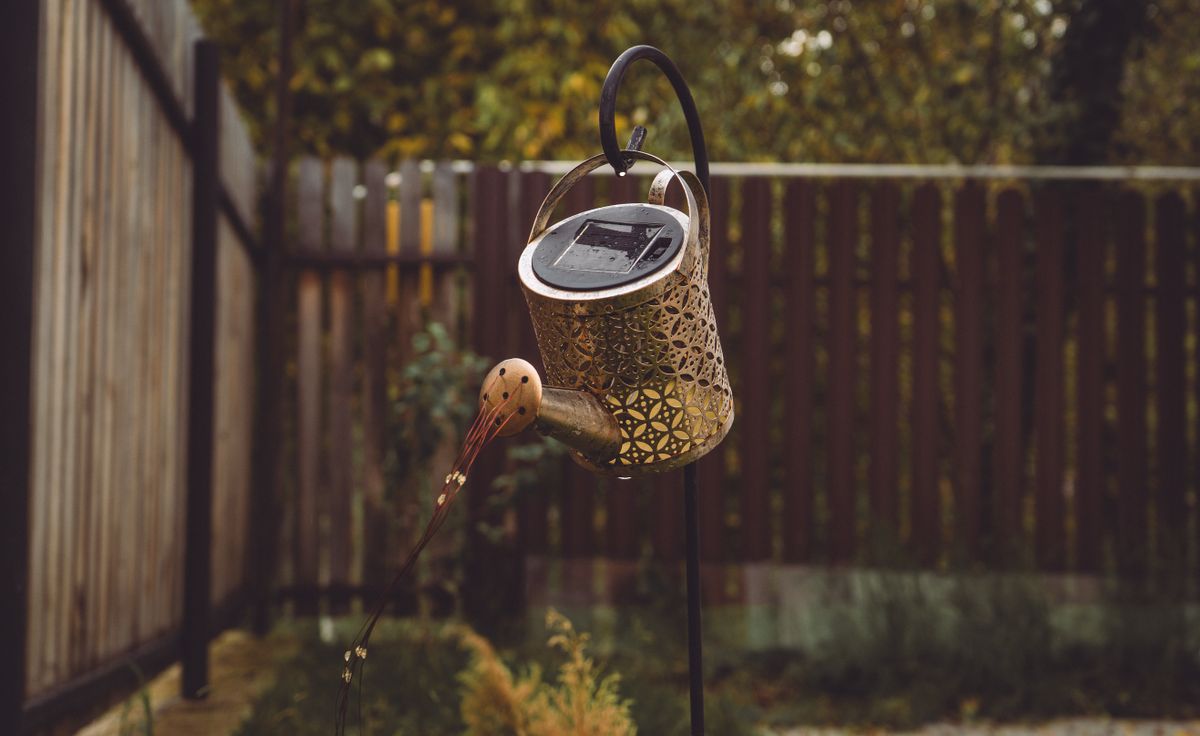
Photo by Gurgenidze G on Pexels
Here's the moment it earned its place: a three-day torrential downpour that flooded my low-lying flower beds. While my traditional path lights flickered and died, the Solar Azalea Lights continued to activate at dusk without a hitch. The waterproof solar garden decor rating isn't just a marketing tag; it is a necessity for anyone living in a climate with unpredictable weather. Day three is where I noticed that the internal seals on these specific units prevented the condensation buildup that usually fogs the solar panel. These units are designed with a flexible stem that mimics the movement of a real shrub, which is a significant upgrade over the static, rigid poles found in basic solar powered shrub lights. The light output is a soft, diffused glow that highlights the pink and white hues of the petals rather than a harsh LED beam that washes out the color. I found that placing these in clusters of three or five creates a much more convincing look than a single isolated stake. Because these are artificial azalea solar lights, they provide a consistent pop of color during the months when the real azaleas have long since dropped their blooms. The integration of the solar panel into the stem itself, rather than a separate bulky box, allows the unit to disappear into the foliage of surrounding plants. This keeps the focus on the floral display rather than the hardware. I’ve found that even in partial shade, the high-efficiency panels manage to gather enough energy to stay lit for about six to eight hours, which covers the peak evening period for most backyard gatherings.
Selecting the Right Solar Azalea Hardware
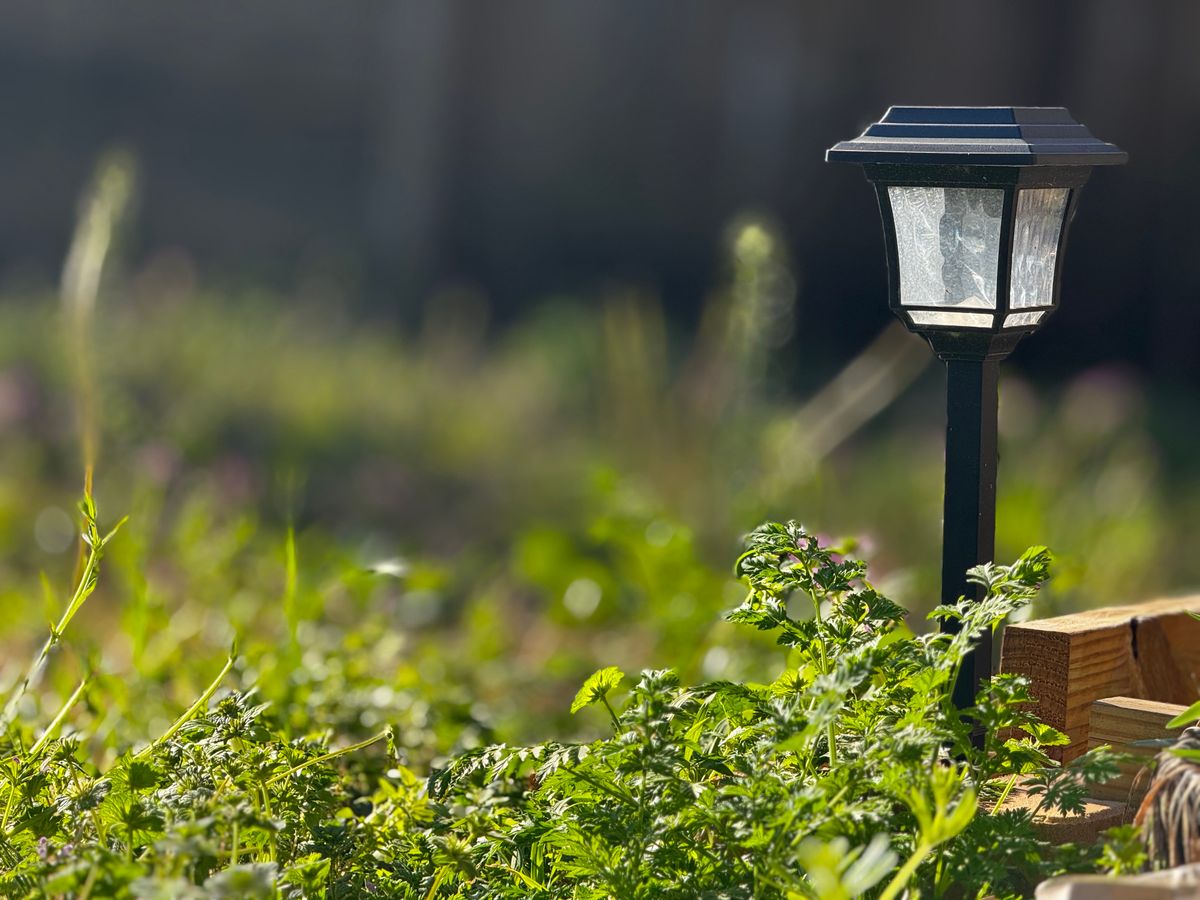
Choosing the right units involves more than just picking a color you like. You have to look at the construction of the 'bloom' itself. When I first started using solar powered shrub lights, I made the mistake of ignoring the battery access port. What I'd do differently now is ensure every unit has a replaceable Ni-MH battery so I don't have to toss the whole stake when the cell eventually loses its capacity. A high-quality solar azalea light should feel substantial in the hand, with a stake that extends deep enough into the soil to resist tilting. If you are looking for realistic solar flower stakes, pay close attention to the petal texture; silk-blend fabrics often look better than pure plastic but require more frequent cleaning to prevent dust buildup from dimming the light.
Before you finalize your garden layout, consider this checklist for your solar floral installation:
- Verify the IP65 or higher waterproof rating to ensure the electronics survive seasonal storms.
- Opt for units with adjustable stems to allow for a more natural, asymmetrical growth pattern.
- Check the solar panel surface area; larger panels generally charge faster in overcast conditions.
- Ensure the LED color temperature is 'warm' (around 2700K-3000K) to keep the azalea colors looking natural.
- Test the ground stake material; stainless steel or reinforced ABS plastic is preferable to thin aluminum.
- Look for 'dusk-to-dawn' sensors that eliminate the need for manual switching.
Shop Solar Azalea Lights here.