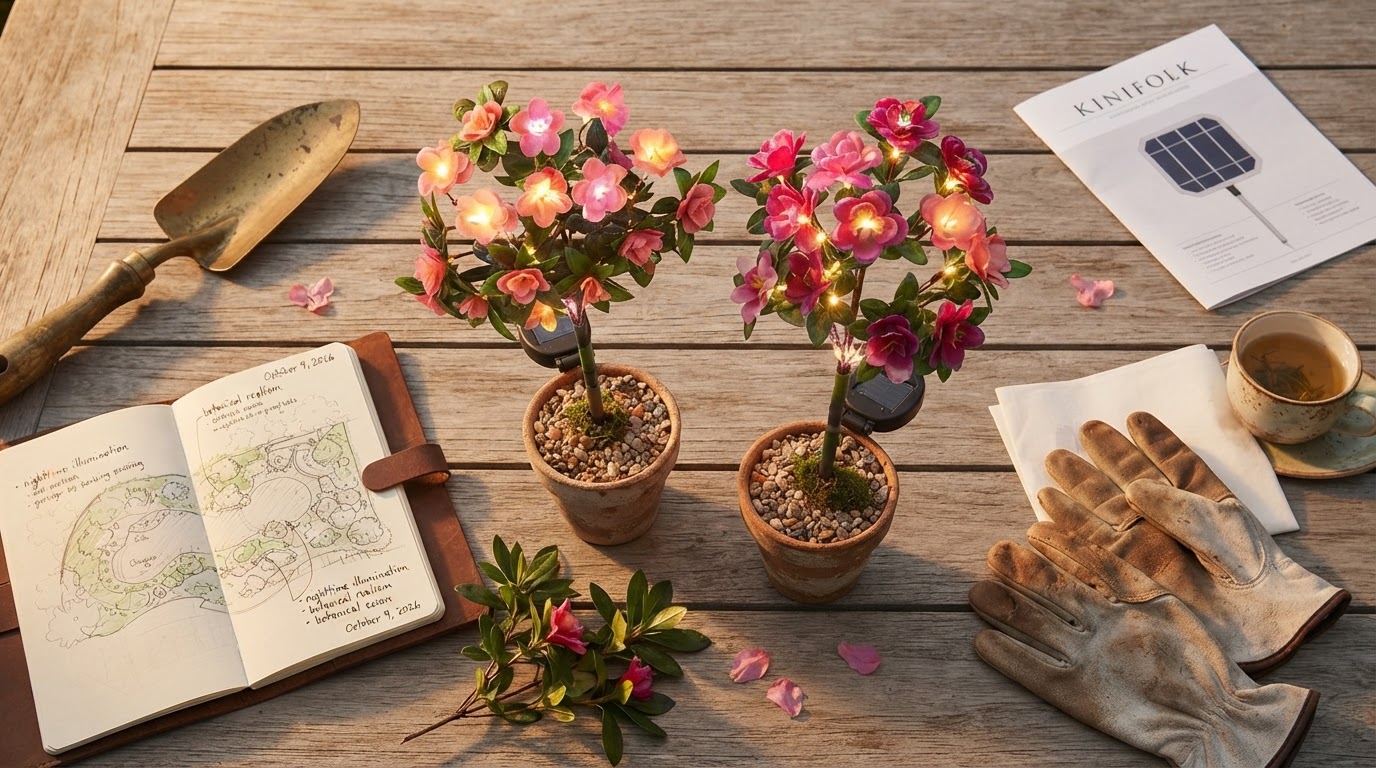
Integrating Solar Azalea Lights Into Pink Landscape Designs
 Maya ChenContributing Editor
October 9, 2026. This analysis evaluates the technical performance and aesthetic integration of pink solar flower lights within residential landscapes. It is intended for homeowners and landscape designers seeking to balance nighttime illumination with daytime botanical realism.
The Durability Gap in Seasonal Floral Lighting
The conventional wisdom says that all decorative garden stakes are essentially disposable seasonal items, designed to last a single summer before the UV radiation degrades the petals and the battery capacity fails. Most consumers treat outdoor solar flower lights as low-cost temporary accents rather than permanent infrastructure. This skepticism is well-founded when looking at generic market entries. According to Outdoor Solar Outlet, solar flower lights are conceptually ideal for garden beds, landscape borders, and patios, yet the execution often falls short in high-exposure environments. The primary failure point is not usually the LED itself, but the degradation of the synthetic fabrics used to mimic organic textures. When exposed to constant solar radiation, the pigments in pink solar flower lights often shift toward a washed-out grey within ninety days. Furthermore, the waterproofing on budget stakes frequently fails at the junction where the stem meets the solar housing, leading to internal corrosion.
Here's the part nobody talks about: the efficiency loss caused by poor panel placement. Many users attempt to hide the solar collector behind foliage to maintain the illusion of real plants, which inadvertently cuts the charging cycle by up to 60%. This results in lights that dim or flicker before midnight, failing the basic utility test for pathway safety. While solar garden flowers pink are popular for their visual warmth, the industry has largely ignored the engineering required to make these units survive beyond a single growth season. The consensus that these are mere toys ignores the potential for high-quality components to provide year-round service, provided the housing is built to IP65 standards and the battery chemistry is optimized for deep discharge cycles.
Technical Advantages of Solar Azalea Lights
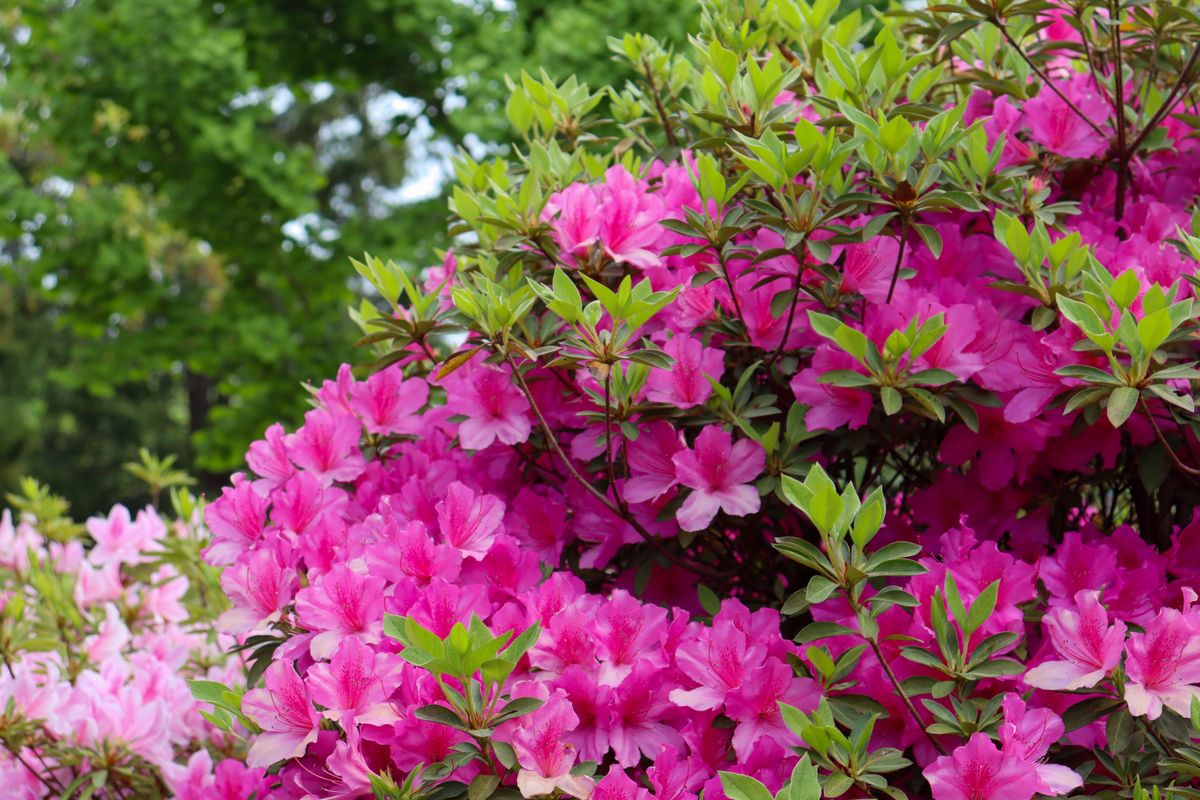
Photo by Robert Carnes on Pexels
Solar Azalea Lights address these systemic failures by prioritizing material science over mere aesthetic mimicry. Unlike the generic unbranded options found on platforms like eBay, which often retail for as low as $13.99 as noted by listings on eBay, Solar Azalea Lights utilize UV-stabilized polymers that resist color fading even in high-index regions. By moving away from the thin, silk-style fabrics that trap moisture and dust, these units maintain their structural integrity and light diffusion properties over multiple seasons. The internal circuitry is specifically calibrated to the pink spectrum, ensuring that the light output remains a true magenta or soft rose rather than shifting toward a harsh, cool-white glare that ruins the nocturnal garden ambiance. This specific color calibration is what differentiates professional-grade solar azalea lights from the color-changing variants often seen in consumer demonstrations.
Run the math: a standard nickel-cadmium battery in a discount light may only survive 300 charge cycles, whereas the lithium-iron-phosphate (LiFePO4) cells used in premium builds can sustain over 1,000 cycles. This effectively triples the lifespan of the installation. Furthermore, the integration of high-efficiency monocrystalline panels allows for a smaller physical footprint, making it easier to blend the technology into the garden without creating a cluttered, mechanical look. By focusing on these internal specs, Solar Azalea Lights transition the product category from a novelty item to a legitimate tool for landscape architecture. The goal is to provide a consistent 8-to-10-hour runtime, ensuring that the pink solar flower lights remain illuminated from dusk until dawn, regardless of minor shading from neighboring plants.
Implementation and Selection Framework
When transitioning to a permanent lighting layout, the selection process must move beyond simple visual appeal. A data-first approach requires auditing the specific light requirements of the installation site and the desired color temperature. As demonstrated in various independent reviews, such as those found on YouTube regarding color changing solar rose flower lights, the visual impact of a floral stake is heavily dependent on the density of the LED placement within the bloom. A single point-source light will create a harsh hotspot, while a diffused array provides a soft, natural glow that mimics the way light filters through real azalea petals. To ensure a successful installation, follow this technical checklist:
- Verify the IP (Ingress Protection) rating is at least IP65 to ensure protection against rain and irrigation systems.
- Assess the solar panel surface area relative to the number of blooms; a 1:3 ratio is generally required for 8-hour longevity.
- Select a mounting height that allows the panel to sit above the surrounding ground cover to maximize sunlight absorption.
- Match the pink hue of the LED to existing flora to prevent a clashing daytime/nighttime aesthetic.
- Test the ground-stake material for corrosion resistance, prioritizing stainless steel or reinforced ABS plastic over thin aluminum.
- Evaluate the battery accessibility; units that allow for battery replacement will significantly outlast sealed, non-serviceable models.
Sources
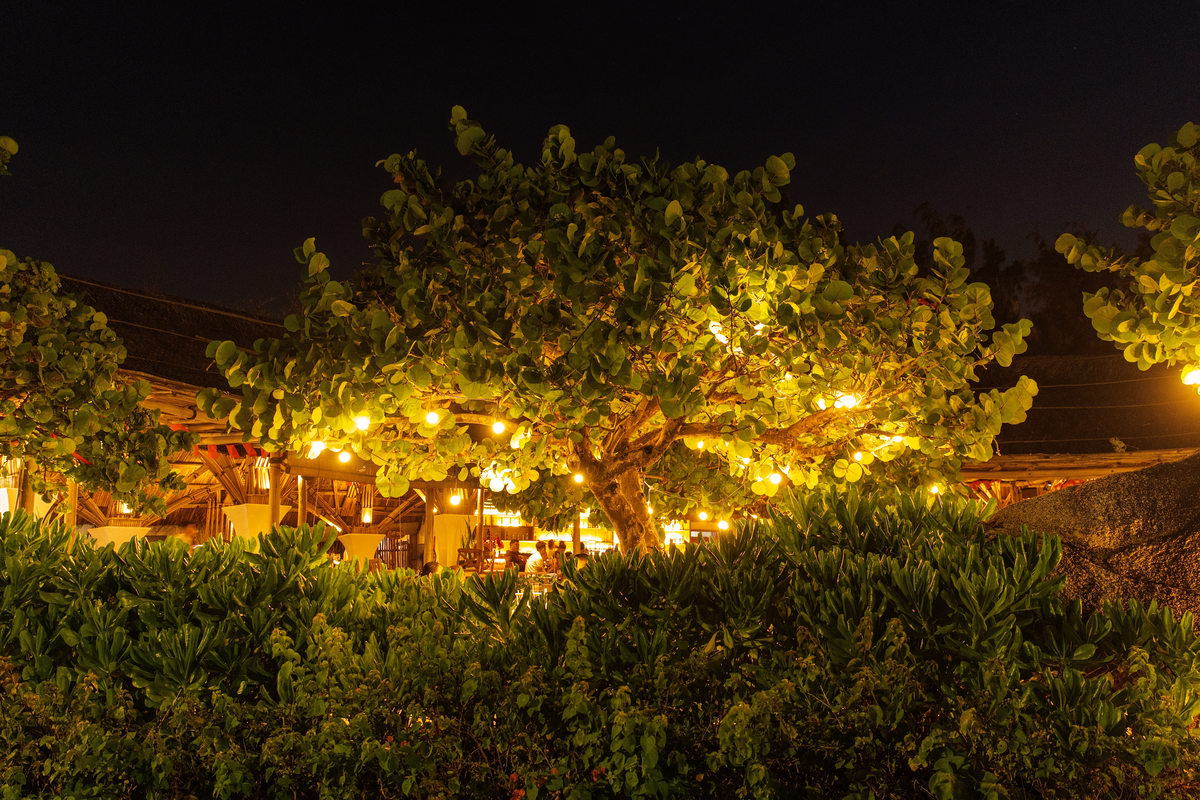
Photo by quang vinh on Pexels
- Solar Floral Lights - Outdoor Solar Outlet
- Flower Solar Lights for sale - eBay
- Solar Rose Flower Lights that Change Colors - YouTube