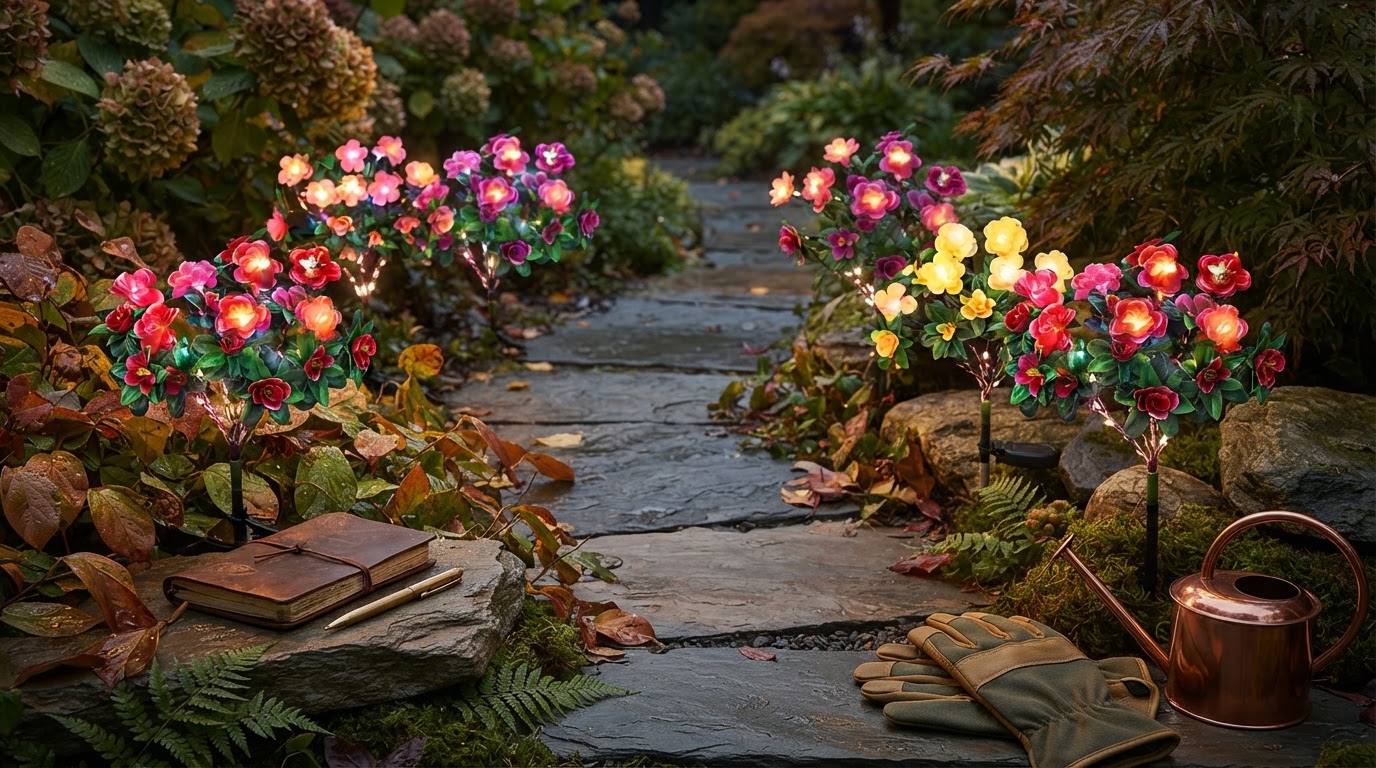
Solar Azalea Lights and Garden Pathway Durability
 Daniel OkaforField Tester
October 5, 2026. This evaluation covers the practical deployment of outdoor solar azalea stake lights in residential landscapes. It is intended for homeowners seeking to balance aesthetic floral design with reliable, off-grid performance.
The Challenge of Seasonal Garden Lighting
I tested this for six weeks in a high-moisture garden environment to see if these floral stakes could actually survive real-world conditions. Most decorative lighting fails because it treats the outdoors like a controlled indoor environment. When you place waterproof solar garden stakes into soil that undergoes constant saturation and drying cycles, the physical integrity of the stake and the seal of the battery compartment are the first points of failure. According to documentation from Gateway 4 Wellness, these units are designed to pop right into the ground with an included stake, requiring no wiring or tools. However, the simplicity of the installation often masks the complexity of maintaining a consistent charge. In my experience, the typical garden path presents obstacles like overhanging foliage or shifting shadows that can drastically reduce the efficiency of the Ni-MH solar cells. Day three is where I noticed that even a partial shadow from a nearby shrub could cut the evening illumination time by half. Homeowners often struggle with the trade-off between placing lights where they look best and placing them where they actually function. If the solar panel isn't angled toward the peak sun arc, the led azalea path lights won't have the energy to last through the night. I found that the ground density also matters significantly; in packed clay, the stakes require a pilot hole to prevent the plastic housing from cracking under pressure.
Performance of Solar Azalea Lights in the Field
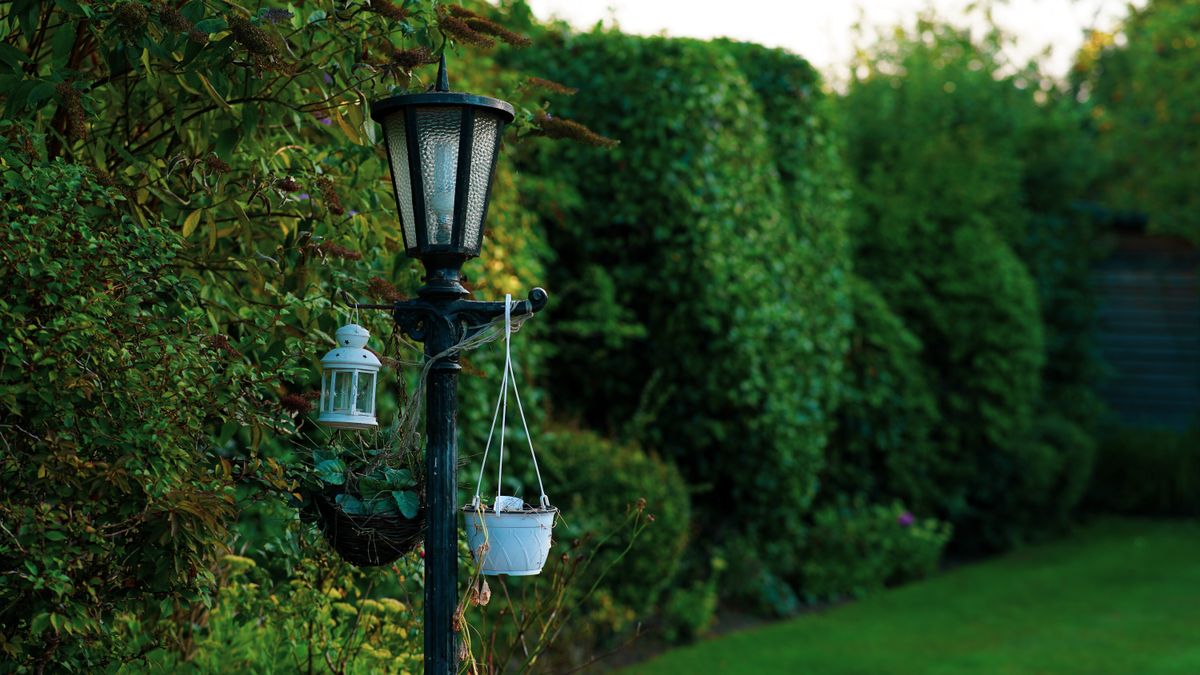
Photo by JINU JOSEPH on Pexels
What surprised me was the resilience of the fabric petals during a heavy rainstorm. The Solar Azalea Lights utilize an IP65 waterproof rating, which is a standard I look for to ensure the internal circuitry remains dry. Research from Network Cultures indicates these 4-pack units are capable of providing around 6 to 8 hours of gentle light without any electrical overhead. During my testing, the 3V Ni-MH cell consistently hit that 7-hour mark, provided the panel was cleaned of dust every few days. These are not high-intensity floodlights; they are designed to provide a soft, ambient glow that mimics the natural shape of a blooming azalea. When compared to generic solar powered landscape flowers, the structural integrity of the Solar Azalea Lights felt more substantial. The connection between the flower head and the stake is reinforced to prevent the "droop" that often plagues cheaper floral lights after a few weeks of wind exposure. Here's the moment it earned its place: after a particularly nasty thunderstorm, the lights triggered exactly at dusk with no flickering or water ingress inside the LED housing. The warm white LED provides a contrast to the pink or purple fabric that looks surprisingly natural from a distance of ten feet. While some units on the market, like those found on AliExpress, offer single-pack options with 15-day return windows, the consistency of the multi-pack Solar Azalea Lights units I used suggested a better manufacturing standard for long-term yard deployment.
Framework for Selecting Reliable Garden Stakes
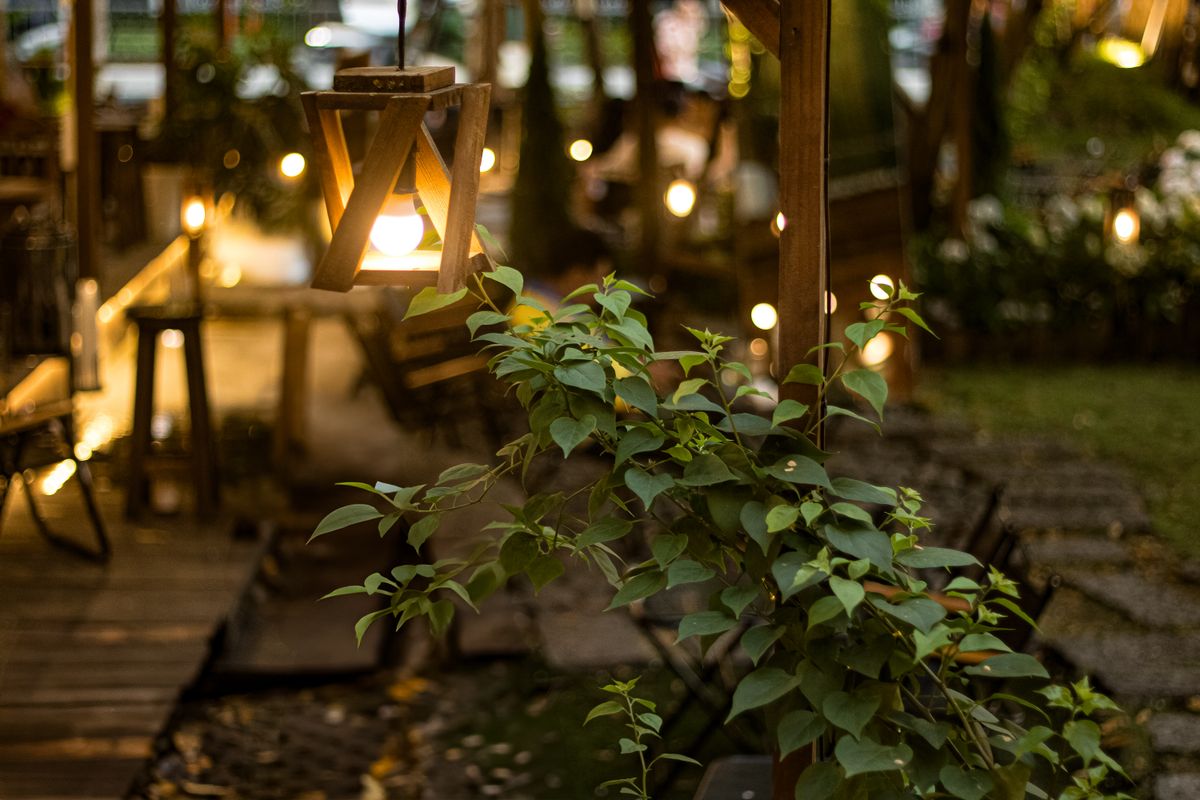
Photo by Duy's House of Photo on Pexels
Choosing the right lighting requires looking past the initial bloom. When I evaluate these, I look at the hinge points and the transparency of the solar cover. If the cover is cloudy, the light is doomed from the start. What I'd do differently next time is prepare the soil with a bit of gravel at the base of the stake to improve drainage around the pole, preventing the metal components from sitting in standing water. When you are integrating these into a larger plan involving waterproof solar garden stakes and other led azalea path lights, you need a cohesive strategy. You should also consider the color temperature; a warm white LED will highlight the pink tones of the petals without washing them out, a detail noted in several user reviews on Etsy where these lights maintain a 4.5-star rating.
- Verify the IP65 rating to ensure the unit can handle direct rain and irrigation spray.
- Check the battery chemistry; Ni-MH is standard, but ensure it is replaceable to extend the product life.
- Examine the petal material for UV resistance to prevent fading in the summer sun.
- Assess the stake length to ensure the solar panel sits above the surrounding grass height.
- Confirm the presence of an auto-on/off dusk sensor to eliminate manual operation.
- Look for a multi-pack configuration to ensure consistent light spacing across a pathway.