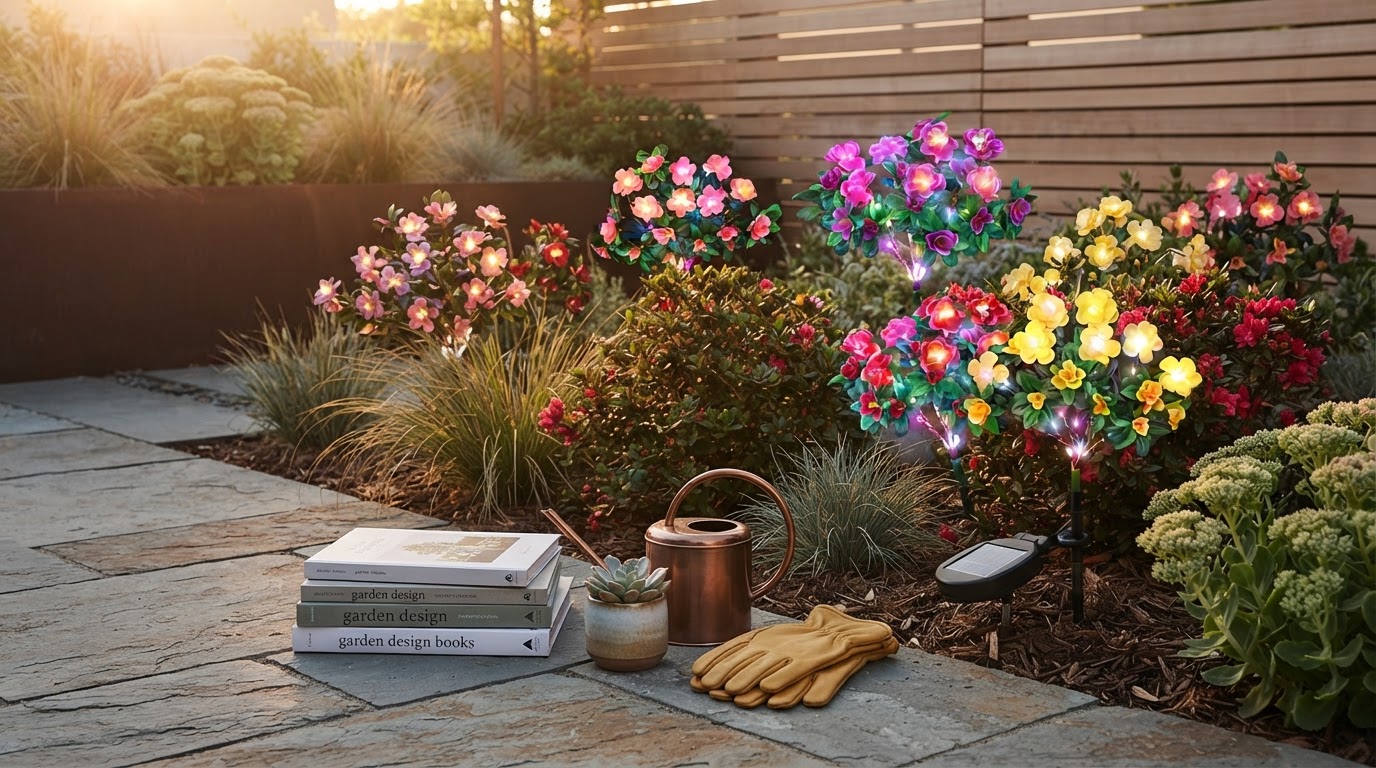
Integrating Solar Azalea Lights into Contemporary Landscapes
 Priya RamanSenior Analyst
September 26, 2026. This analysis examines the technical and aesthetic integration of solar-powered floral lighting within residential garden architectures. It is written for homeowners and landscape designers seeking to balance energy efficiency with realistic botanical aesthetics. Successful implementation relies on a matrix of three critical factors: luminous duration, environmental resistance, and visual fidelity. When evaluating these fixtures, two axes matter here: the physical durability of the materials and the efficiency of the photovoltaic conversion. Think of it as a matrix of utility versus aesthetics; the most effective installations prioritize high-capacity energy storage without sacrificing the delicate visual profile of the azalea bloom.
The Challenge of Year-Round Garden Vibrancy
Maintaining a visually consistent garden across changing seasons presents a significant hurdle for traditional landscaping. Natural azaleas possess a limited blooming window, leaving structural gaps in the garden's color palette for the remainder of the year. Furthermore, traditional hardwired lighting systems require invasive trenching and professional electrical installation, which can disturb established root systems and increase long-term maintenance costs. The shift toward artificial solar flower lights for garden environments stems from a need for non-destructive, versatile illumination that persists regardless of the biological season. According to Gateway4Wellness, high-quality solar azalea lights are often noted for their realistic appearance, with users reporting that the blooming red and purple variations are frequently mistaken for live plants by passersby. This visual authenticity is crucial when these lights are used as solar floral decorations for memorial garden settings, where the emotional weight of the space demands a dignified and lifelike aesthetic. The primary problem remains the inconsistency of cheaper alternatives, which often fail to provide the necessary battery capacity to sustain illumination through the early morning hours, leading to a fragmented evening landscape.
Technical Specifications and Performance Standards
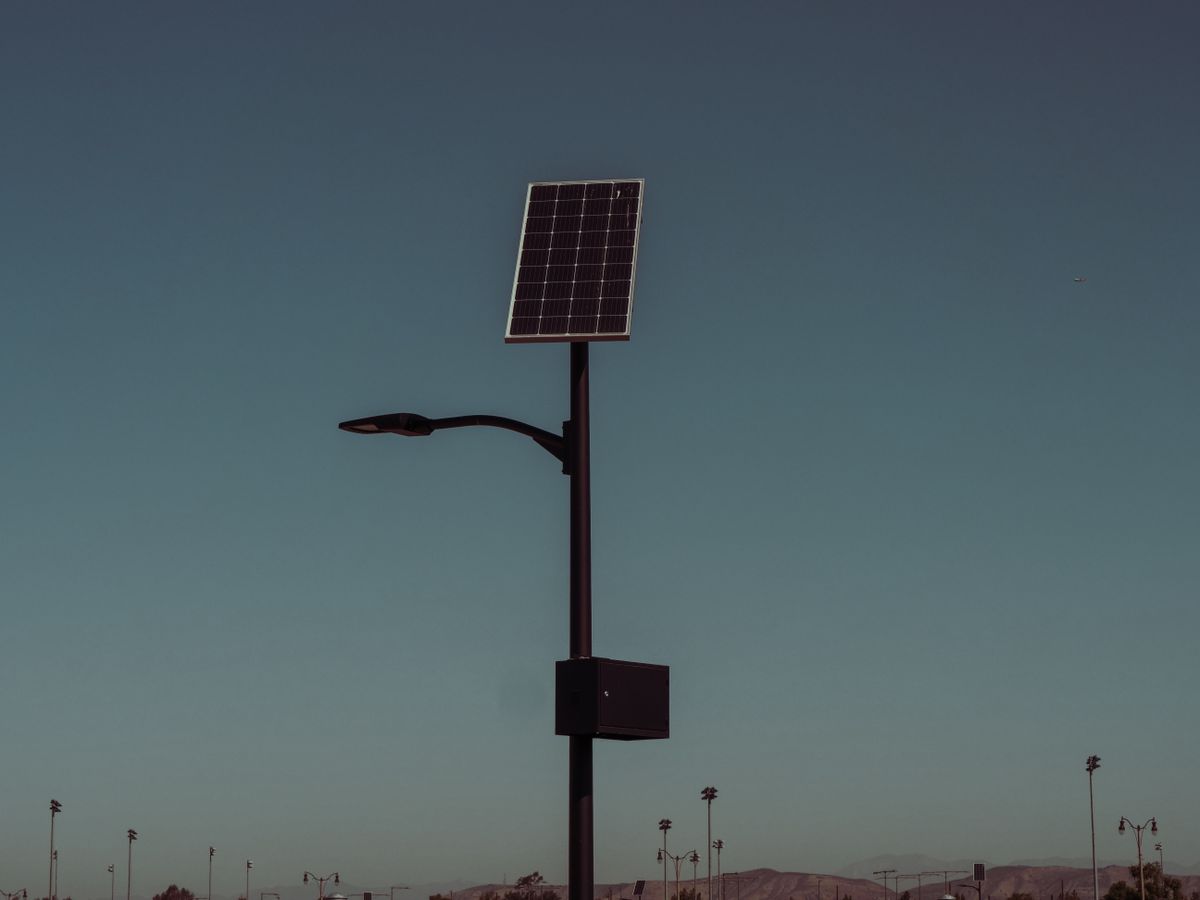
Photo by Kindel Media on Pexels
The efficacy of Solar Azalea Lights is determined by the synergy between their internal power components and their external weatherproofing. Unlike standard garden stakes, these specialized fixtures utilize a high-capacity 600mAh battery, as detailed by Garden 4 Pack LED Solar Flower Lights. This capacity is essential for converting daylight into a consistent 8-to-10-hour discharge cycle. The material composition typically involves high-grade fabrics and plastics designed to mimic the soft texture of real petals while maintaining structural integrity against UV degradation. In high-traffic zones or perimeter boundaries, the use of waterproof solar floral pathway lights 8-pack configurations ensures that the lighting remains functional during heavy precipitation, preventing the short-circuiting common in non-rated equipment. Furthermore, the physical installation of outdoor solar azalea stake lights allows for rapid reconfiguration. Because these units are self-contained, they bypass the limitations of fixed wiring, allowing the user to adjust the lighting density based on seasonal foliage changes or special events. This flexibility is a core component of modern "smart" gardening, where the landscape is treated as a modular, evolving space rather than a static installation. Once you see it this way, the value of the solar azalea shifts from a simple ornament to a functional tool for spatial definition.
A Framework for Selecting Solar Floral Lighting
Photo by 🇻🇳🇻🇳Nguyễn Tiến Thịnh 🇻🇳🇻🇳 on Pexels
Selecting the appropriate lighting requires a structured decision rule: prioritize the battery-to-LED ratio to ensure the light does not fade before the evening's peak usage. When assessing products like the magenta variants highlighted by TikTok creator bones.dealz, one must look beyond the immediate visual appeal to the underlying hardware specifications. A robust selection process should follow this decision framework:
- Verify a minimum battery capacity of 600mAh to handle partial-sun days.
- Confirm the presence of an IP65 or higher waterproof rating for year-round outdoor exposure.
- Assess the petal material for UV resistance to prevent color fading in direct sunlight.
- Evaluate the stake height to ensure the "blooms" sit above existing low-profile groundcover.
- Select a multi-pack, such as a waterproof solar floral pathway lights 8-pack, to maintain visual rhythm across larger areas.
Shop Solar Azalea Lights here.