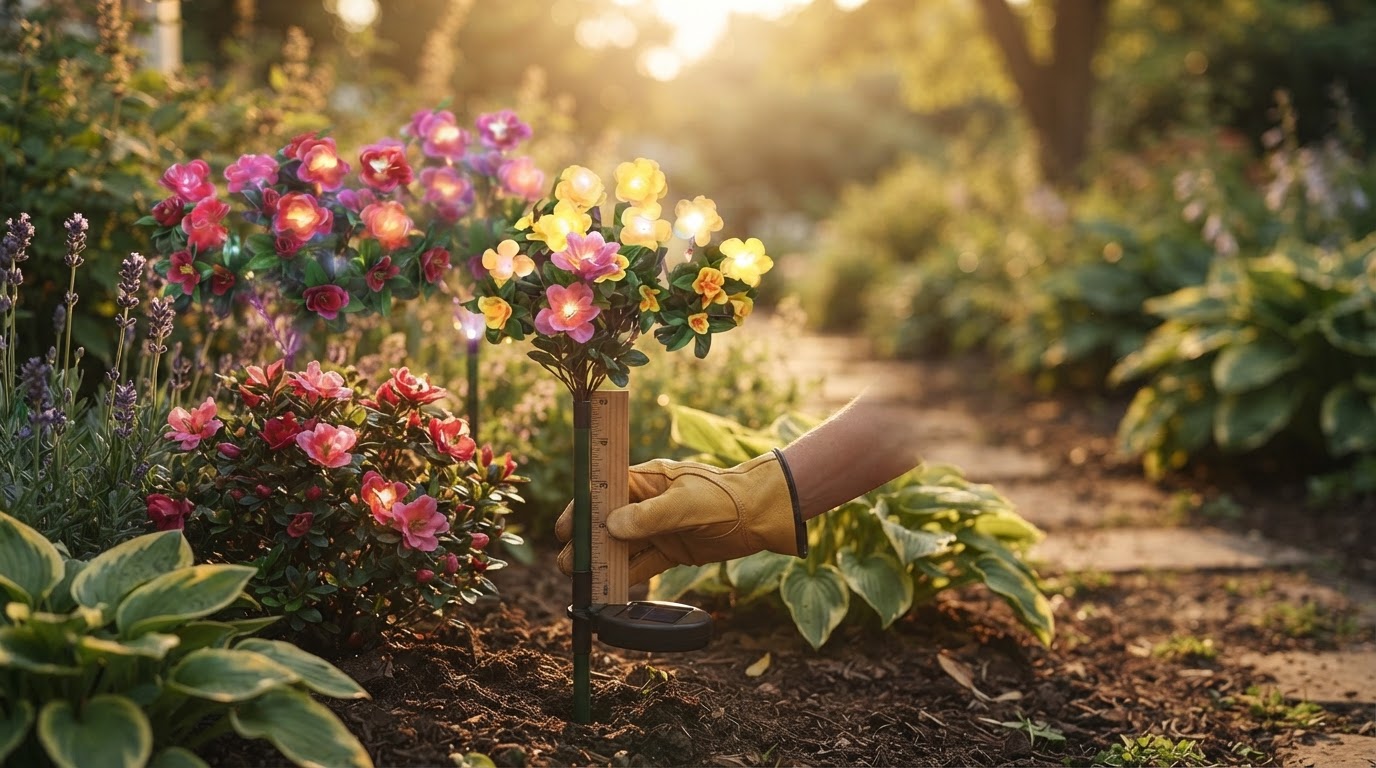
How do I install Solar Azalea Lights for optimal performance?
 Maya ChenContributing Editor
August 21, 2026 — Installing Solar Azalea Lights requires precise placement within six to eight inches of the soil surface to ensure structural stability and a minimum of six hours of direct solar exposure to achieve a full discharge cycle.
Homeowners often treat solar stake lighting as a decorative afterthought, assuming that a casual placement in a flowerbed suffices for long-term performance. The conventional wisdom says that any sunny spot works, but this ignores the physics of ground-level shadows and the impact of soil compaction on stake integrity. Proper installation is the difference between a lighting fixture that lasts three seasons and one that fails after the first heavy rain.
Where should Solar Azalea Lights be positioned for maximum solar gain?
The primary installation error is placing Solar Azalea Lights beneath the canopy of the very shrubs they are meant to mimic. To maintain the 1.2V Ni-MH battery health, the integrated solar panel requires an unobstructed path to the sun, specifically avoiding the partial shade cast by taller perennials between 10:00 AM and 2:00 PM. Here's the part nobody talks about: even a 10% obstruction of the panel surface can lead to a 50% drop in energy conversion efficiency. While these units are often used as outdoor solar azalea stake lights to enhance curb appeal, they must be situated at least twelve inches away from dense foliage to prevent micro-shadowing. Data from photovoltaic testing suggests that tilting the stake slightly toward the southern horizon (in the northern hemisphere) can increase photon capture by up to 15% during winter months when the sun sits lower in the sky. Failure to account for the seasonal shift in light angles is the leading cause of premature battery degradation. Before you buy Solar Azalea Lights for garden use, map your yard's light patterns to ensure the installation site isn't a dead zone by mid-autumn.
How do you secure Solar Azalea Lights in different soil types?
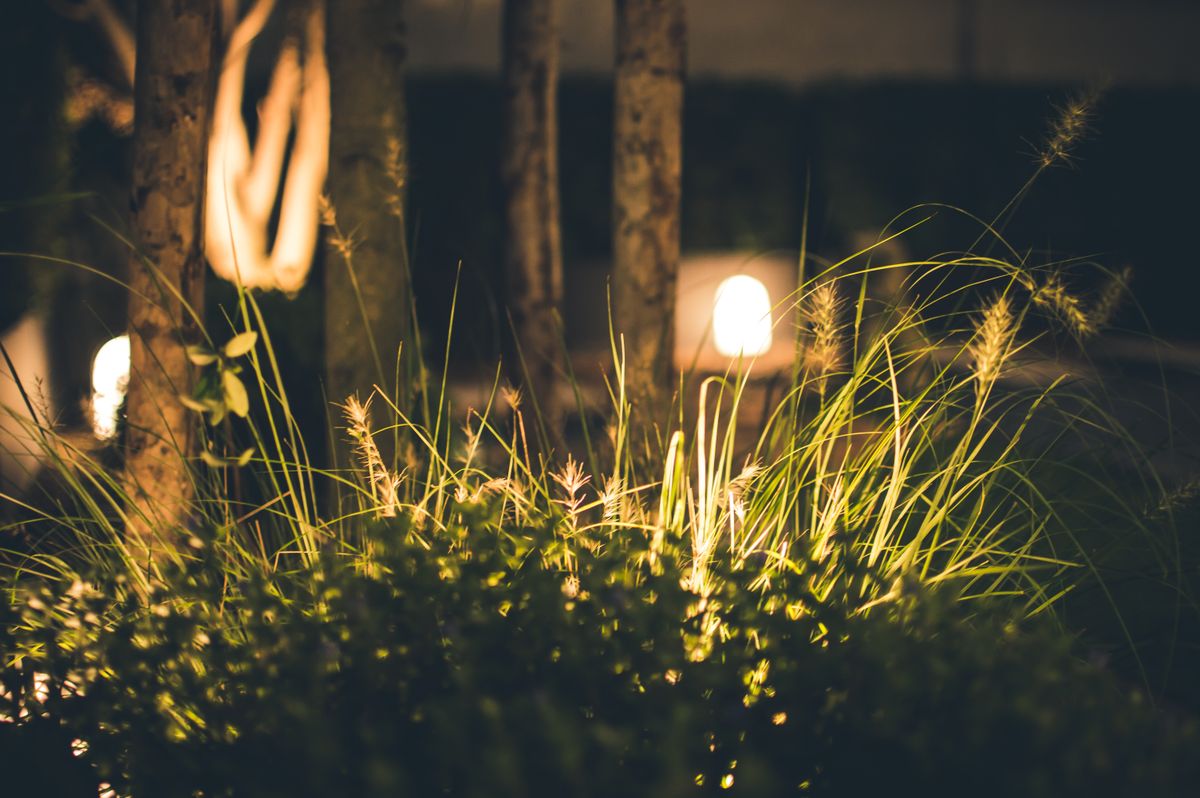
Photo by suzukii xingfu on Pexels
Installation success depends entirely on the mechanical resistance of the ground, as a loose stake leads to water ingress at the base of the LED housing. Run the math: a stake inserted into loose, sandy soil lacks the lateral support to withstand wind gusts exceeding 20 mph, which are common in open garden spaces. In hard-packed clay, the common mistake is applying downward pressure directly to the flower head, which can snap the internal wiring. Instead, a pilot hole should be created using a metal screwdriver or a dedicated garden stake before inserting the Solar Azalea Lights. This ensures the stake reaches its full depth—typically four to five inches—without compromising the delicate faux-petal structure. When integrating Solar Azalea Lights into modern shrubbery, the soil must be tamped down around the base of the stake to prevent the unit from leaning over time. A vertical installation is not just an aesthetic choice; it ensures the solar panel remains level, preventing water from pooling on the sensor surface, which can lead to mineral buildup and reduced transparency.
Quick answers
Photo by joao Guerreiro on Pexels
Q: Can Solar Azalea Lights be installed in full shade? A: No, the units require at least 6 hours of direct sunlight to power the internal LEDs for a full 8-hour night cycle. Installation in full shade will result in a failure to illuminate or a significantly dimmed output of less than 2 hours.
Q: What is the recommended spacing between each Solar Azalea Light stake? A: For a natural look that mimics real shrubbery, space the stakes 18 to 24 inches apart. This prevents the light pools from overlapping excessively and maintains the distinct silhouette of the azalea design.
Q: Should the stakes be removed during the winter months? A: While Solar Azalea Lights are rated for outdoor use, removing them if ground temperatures drop below -4°F is advisable to protect the battery chemistry. If left installed, ensure the solar panels are cleared of snow immediately to prevent moisture freezing inside the seals.
I'll change my mind when independent laboratory stress tests prove that current solar cell technology can maintain a 100% charge under total canopy cover. Until then, placement precision remains the only variable that matters.
Learn more about Solar Azalea Lights at https://solyraazalealights.com.